
The latest situation in the Red Sea increases the risk to international shipping.
The security situation in the Red Sea has come back into focus after the Houthi group in Yemen issued a warning to international shipping companies, urging them to avoid unloading goods at Saudi Arabian ports, stating that ships that do not comply could be targeted for attack.
This incident has raised concerns for the global shipping and supply chain industry, as the Red Sea is one of the most important shipping routes for international trade, connecting the Suez Canal to the Indian Ocean and handling the shipment of crude oil, consumer goods, and large quantities of containers.
Houthi warns shipping companies
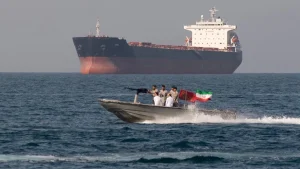
On July 20, the Houthi group sent a letter to several shipping operators stating that they should not dock or unload cargo at Saudi Arabian ports. The letter warned that violations could result in attacks on ships at any point within the operational range of the forces.
Although there have been no further reports of attacks on commercial ships in the past 48 hours, the warning has prompted shipping companies and logistics providers to closely monitor the situation and assess risks when planning shipping routes.
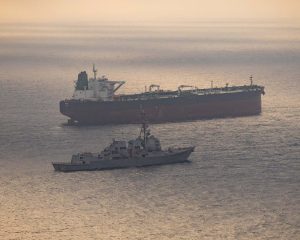
Impact on Shipping and Supply Chain
Uncertainty in the Red Sea has several impacts, including:
- Shipping carriers may have to reroute to avoid high-risk areas.
- Transit times are likely to increase.
- Freight and safety costs may rise.
- Exports of oil and commodities from the Middle East may face delays.
- Importers and exporters face uncertainty regarding delivery schedules.
Similar events can also affect inventory management and logistics planning for businesses worldwide.
Oil Tankers Begin Rerouting
Following warnings, some Saudi Arabian crude oil tankers have reportedly diverted their ships in the Red Sea to avoid security risks.
Meanwhile, maritime safety operators view this rerouting as a potential signal of renewed volatility in the sea freight and energy transportation markets. If the situation persists, it could lead to increased shipping costs and longer transit times.
How should businesses prepare?
For businesses that rely on international shipping, it’s crucial to continuously monitor the situation and prepare contingency plans, such as:
- Planning import and export routes in advance.
- Allowing extra time for shipping.
- Checking shipping routes with logistics providers.
- Assessing the impact on costs and freight rates.
- Diversifying risk by planning multiple shipping routes, if suitable for the type of business.
Conclusion:
The latest warning issued by the Houthi group to shipping companies reflects the fact that geopolitical risks remain a significant factor affecting shipping, port operations, and supply chains worldwide. Although shipping in the Red Sea continues as normal, businesses should closely monitor the situation to plan shipments and manage risks effectively.
source :
www. economictimes.indiatimes.com
www.republicworld.com
AMSS: Amasis Shipping co.,ltd
📞 +84 906 660 888
📩 info@amss.com.vn
🏘️27-29 Ngo Thi Bi Street, Tan Hung Ward, Hochiminh City