
The cargo ship Nadezhda was struck by a drone in the Black Sea, highlighting risks to shipping and supply chains.
Recent events in the Black Sea have raised concerns regarding international shipping.
Security in the Black Sea has once again become a critical issue after the Roll-on/Roll-off (Ro-Ro) vessel *Nadezhda* was struck by a drone while en route from the Russian port of Novorossiysk to Samsun, Turkey. The attack resulted in serious injuries to three crew members and a fire at the ship’s bow.
This incident highlights how regional conflict continues to impact global shipping, sea freight, and supply chains—particularly regarding Black Sea shipping lanes, which are vital routes for the transport of agricultural products, energy, and industrial goods.
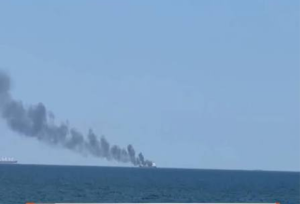
Ro-Ro vessel attacked while underway
According to Turkish maritime authorities, the incident occurred on August 3 while the *Nadezhda* was sailing approximately 20 nautical miles from the port of Novorossiysk. Following the attack, all 22 crew members were evacuated to Russia; three sustained serious injuries, while a fire at the bow burned during the initial stages of the incident.
As of now, there has been no confirmation regarding the perpetrator, nor has the nationality of the injured crew members been disclosed.
Impact on Shipping and Supply Chains
Although the incident involved only a single vessel, it highlights growing risks for the maritime shipping industry, potentially leading to several consequences:
- Shipping operators may need to evaluate or adjust routes in high-risk areas.
- Marine insurance premiums could rise.
- Transportation and freight costs are likely to increase.
- Shipping times may lengthen if high-risk areas are avoided.
- Exporters and importers should monitor the situation closely to plan their logistics effectively.
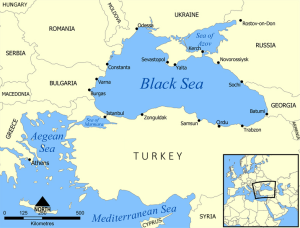
Why is the Black Sea important for international trade?
The Black Sea serves as a vital maritime route for transporting goods—particularly agricultural products, grains, oil, and industrial raw materials—to Europe, the Middle East, and Asia.
Ongoing tensions between Russia and Ukraine require logistics operators to monitor the situation closely, as security-related incidents can rapidly impact port operations, shipping routes, and transportation costs.
How should business operators prepare?
Businesses reliant on maritime transport can mitigate impacts by:
- Continuously monitoring shipping news and geopolitical developments.
- Planning shipping schedules in advance and allowing for potential delays.
- Maintaining close coordination with freight forwarders and shipping lines.
- Assessing potential fluctuations in freight rates and insurance costs.
- Considering alternative routes or ports if the situation involves increased risk.
Summary
The drone attack on the *Nadezhda* in the Black Sea serves as yet another indication that geopolitical conflict continues to impact international shipping, port operations, and supply chains. While maritime traffic in the region persists, operators should closely monitor the situation and prepare risk management plans to ensure the continued and efficient flow of imports and exports.
source :
https://safety4sea.com
AMSS: Amasis Shipping co.,ltd
📞 +84 906 660 888
📩 info@amss.com.vn
🏘️27-29 Ngo Thi Bi Street, Tan Hung Ward, Hochiminh City