
What Is Free Time in Sea Freight? A Complete Guide to Demurrage and Detention
When importing goods by sea, Free Time is an important term that shippers and consignees need to understand. The amount of Free Time allowed for a container can directly affect logistics costs, especially when cargo cannot be picked up, unloaded, or returned within the agreed period.
But what exactly does Free Time mean in sea freight? How is it related to Demurrage and Detention, and how can businesses avoid unexpected container charges?
This guide explains the concept of Free Time in ocean freight and provides practical tips for managing container-related costs.
What Is Free Time in Sea Freight?
Free Time in sea freight refers to the period during which a container can remain within a specified location without incurring certain additional charges from the shipping line.
Depending on the shipping line and the terms of the shipment, Free Time may apply to the container while it is:
- At the destination terminal
- Outside the terminal and in the consignee’s possession
- Waiting for customs clearance
- Waiting to be unloaded
- Waiting to be returned to the shipping line
The exact number of Free Time days varies depending on the shipping line, port, destination, container type, trade lane, and service contract.
For example, if a shipment has 7 days of Free Time, the consignee generally has seven days to complete the relevant container-handling process before applicable charges begin. However, the exact calculation and starting point depend on the carrier’s tariff and terms.
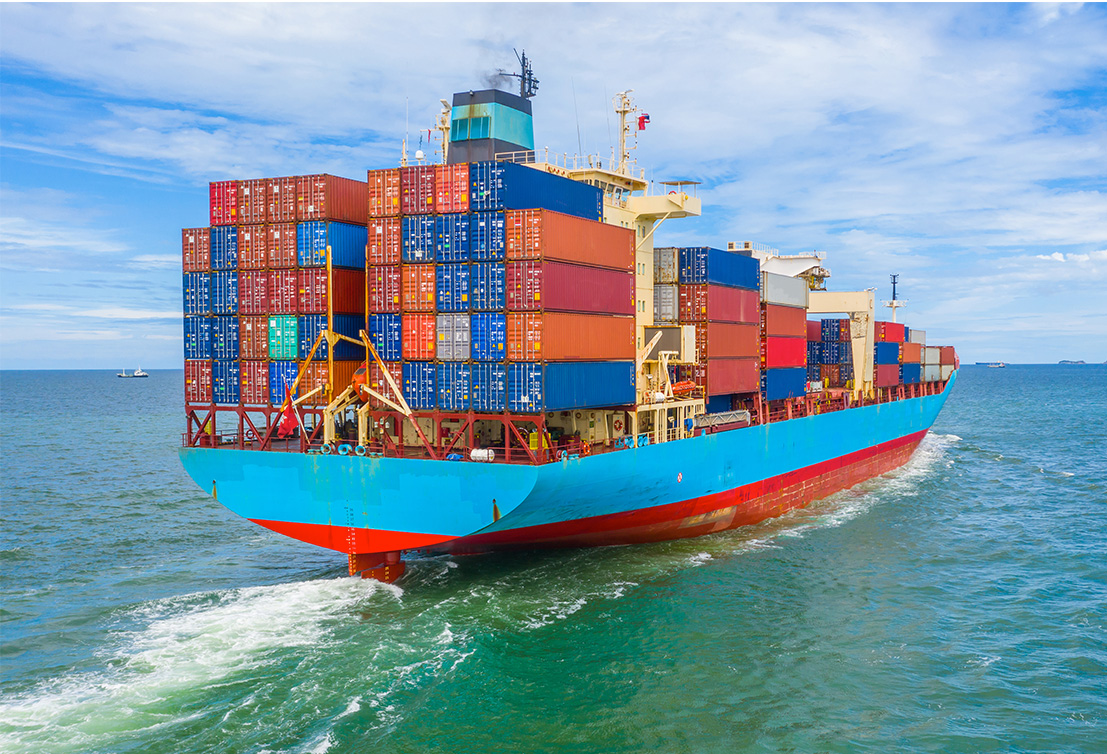
Free Time, Demurrage and Detention: What’s the Difference?
Free Time is closely connected to two common container charges: Demurrage and Detention.
1. Free Time
Free Time is the agreed period during which the container can be used or remain at the relevant location without the applicable demurrage or detention charge.
The Free Time period is usually specified in the shipping line’s quotation, booking confirmation, tariff, or service contract.
2. Demurrage
Demurrage is generally a charge that applies when an import container remains inside the terminal beyond the allowed Free Time.
For example:
Container arrives → Free Time starts → Free Time expires → Demurrage begins
If customs clearance or other procedures take longer than expected, the consignee may incur demurrage charges after the Free Time has expired.
3. Detention
Detention generally refers to charges for keeping the shipping line’s container outside the terminal beyond the permitted Free Time.
A typical import process may look like this:
Container picked up → Cargo is unloaded → Empty container returned
If the empty container is not returned within the allowed period, detention charges may apply.
Important: The exact definitions and calculation methods for demurrage and detention can vary between shipping lines and locations. Always check the carrier’s specific terms and tariff.
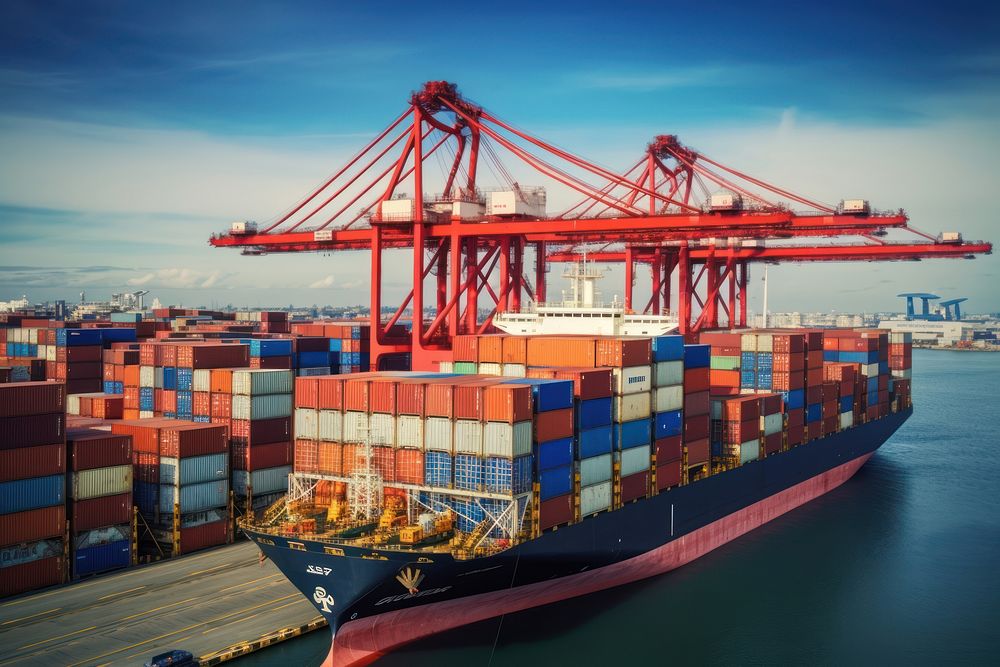
Example of How Free Time Works
Suppose an importer receives:
- Container: 1 x 40HQ
- Free Time: 7 days
- Container available at destination: September 1
If the applicable Free Time runs for seven days, the consignee must complete the relevant container process within the permitted period.
If the container remains subject to chargeable conditions after Free Time expires, the shipping line may apply demurrage and/or detention charges, depending on the circumstances.
Therefore, knowing the Free Time period before the shipment arrives can help importers plan their operations and avoid unnecessary costs.
Why Is Free Time Important for Importers?
Free Time is important because delays in the import process can create additional logistics expenses.
Common causes of delays include:
Customs Clearance Delays
Incomplete documentation, customs inspections, or other regulatory procedures may delay cargo release.
Port Congestion
Heavy traffic and congestion at terminals can affect container pickup and transportation schedules.
Delayed Trucking
A shortage of trucks or scheduling problems may prevent the consignee from collecting the container on time.
Warehouse Capacity
If the warehouse is not ready to receive the cargo, the container may remain at the terminal longer than planned.
Slow Cargo Unloading
After pickup, delays in unloading the cargo can also affect the timely return of the empty container.
Effective planning is therefore essential to maximize the available Free Time.
What Determines the Amount of Free Time?
There is no universal Free Time period for every sea freight shipment.
The applicable Free Time may depend on:
- Shipping line
- Origin and destination
- Port and terminal
- Container type
- Import or export movement
- Trade lane
- Customer contract
- Service agreement
- Negotiated terms
For this reason, importers should confirm Free Time before booking or shipping, rather than assuming that every shipment has the same number of free days.
How Can Businesses Avoid Demurrage and Detention Charges?
Businesses can take several steps to better manage Free Time.
1. Check Free Time Before Booking
Ask the logistics provider or shipping line about the applicable Free Time before confirming the shipment.
2. Prepare Documents Early
Ensure that commercial invoices, packing lists, bills of lading, customs documents, and other required paperwork are prepared in advance.
3. Monitor the Shipment
Track the vessel’s estimated time of arrival and container availability so that transportation and customs procedures can be planned accordingly.
4. Arrange Transportation in Advance
Coordinate with trucking providers before the container becomes available at the destination terminal.
5. Plan Warehouse Operations
Make sure the receiving warehouse has sufficient capacity and is ready to unload the container.
6. Return Empty Containers Promptly
After unloading the cargo, arrange the empty container return according to the shipping line’s instructions and deadline.
Free Time in Import and Export Shipments
Free Time can apply differently depending on whether the container is being imported or exported.
For import shipments, Free Time is commonly associated with the period available for container pickup and return after the container reaches the destination.
For export shipments, Free Time arrangements may relate to how long an empty container can be kept before being delivered to the terminal or loaded for export.
Because practices differ among carriers and ports, the applicable Free Time should always be confirmed for each shipment.
Free Time vs. Storage: Are They the Same?
No. Free Time and Storage are not necessarily the same thing.
Free Time generally refers to the period allowed under the shipping line’s container terms before certain container-related charges apply.
Storage charges, meanwhile, are generally associated with the use of terminal space for a container.
Depending on the port, terminal, shipping line, and local tariff, these charges may be calculated separately.
Therefore, businesses should check both carrier charges and terminal charges when estimating total logistics costs.
Key Takeaways
Understanding Free Time is essential for effective sea freight cost management.
In simple terms:
- Free Time = the agreed period before applicable demurrage/detention charges may start.
- Demurrage = generally related to keeping a container at the terminal beyond the permitted period.
- Detention = generally related to keeping a shipping line’s container outside the terminal beyond the permitted period.
- The number of Free Time days varies by carrier, port, route, container type, and contract.
- Early documentation, shipment monitoring, transportation planning, and timely container return can help reduce additional charges.
How AMASIS Can Support Your Sea Freight Operations
Efficient sea freight management requires more than simply booking a vessel. Understanding shipping terms, coordinating documentation, monitoring shipment schedules, and managing container movements are all important parts of the logistics process.
At AMASIS, we support customers with professional logistics coordination and international shipping solutions designed to help businesses manage their cargo efficiently.
Whether you are importing or exporting goods by sea, understanding Free Time, Demurrage, and Detention can help you plan your shipment more effectively and avoid unexpected container-related costs.
Looking for reliable sea freight solutions? Contact AMASIS to discuss your shipping requirements and logistics needs.