
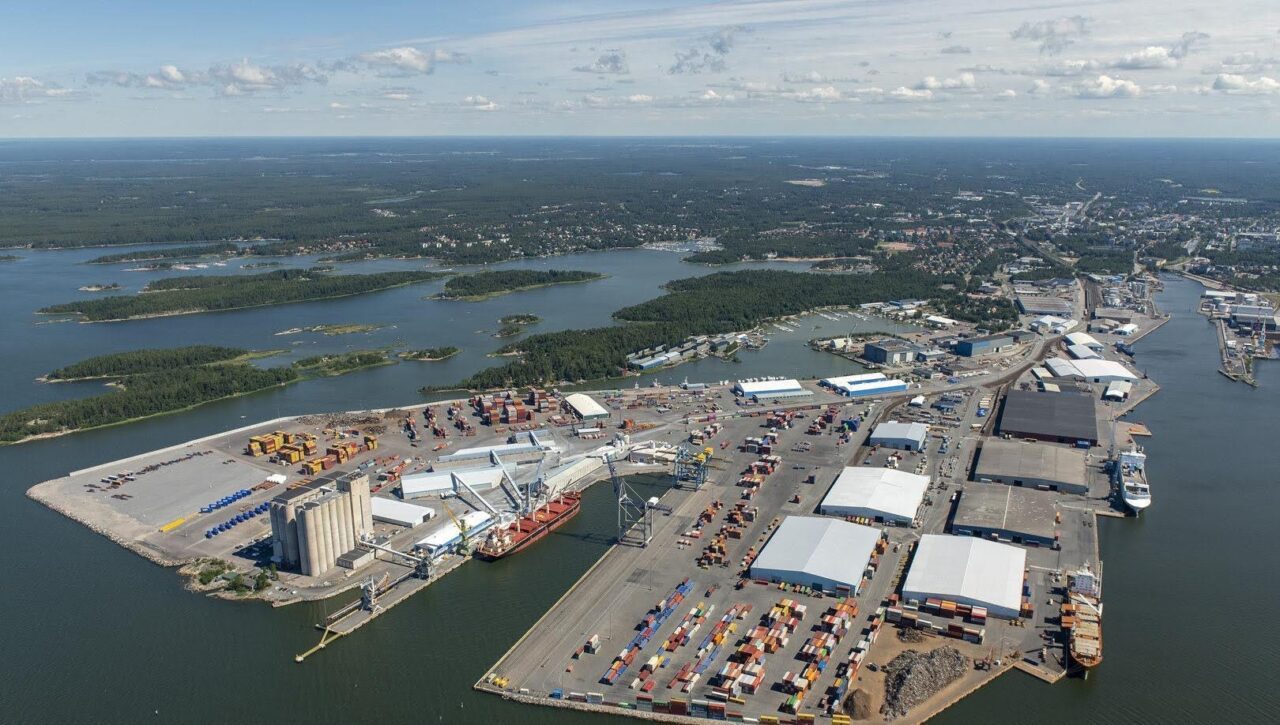
Euroports’ Rauma container terminal in Finland has joined the Portchain Connect network to improve data exchange and berth planning coordination with shipping lines. Through the digital platform, the operator aims to gain earlier access to operational information, respond more proactively to schedule changes and enhance the quality of its terminal services.
Linking Vessel Schedules with Terminal Operations
Euroports Rauma’s participation in Portchain Connect focuses on a specific aspect of container terminal operations: enabling terminal operators and shipping lines to exchange information, adjust plans and agree on berthing windows through digital communication.
The platform allows the terminal to receive real-time schedule updates and related operational data directly from carriers’ systems. The operations team can then assess whether the proposed timing aligns with its berth plan, respond to the information or suggest an alternative arrangement.
A notable feature of this process is its two-way nature. Shipping lines provide voyage information, while the terminal responds based on its own berthing plan. Both parties can therefore work toward a suitable time window rather than simply exchanging a fixed schedule.
For Euroports, the objective extends beyond speeding up information exchange. The company also aims to improve the quality of coordination with its customers, ensuring that shared information directly supports operational decisions.
Portchain Connect facilitates this process through digital communication and secure data sharing. Joining the network represents an operational technology initiative, rather than an announcement of additional berths or new shipping services at Rauma. Source: Port Technology International.
Earlier Information Enables More Proactive Schedule Management
Tomi Rautio, Managing Director of Euroports Finland, said the implementation of Portchain Connect is intended to strengthen the company’s ability to coordinate vessel calls with its shipping partners.
He explained that earlier access to reliable operational information helps improve planning and enables a more effective response to schedule changes. This also supports Euroports’ efforts to continue delivering efficient, high-quality services to its customers.
His comments highlight two priorities: when information becomes available and how reliable that information is. Early access provides more time for preparation, while reliable data offers a stronger basis for adjusting operational plans.
Under the coordination process supported by Portchain Connect, a terminal does not simply receive a schedule change and update its internal plan. It can respond and propose an alternative for the carrier to consider. Schedule information therefore becomes the basis for joint planning rather than a one-way notification.
However, improving responsiveness does not mean that every adjustment is handled automatically. The published information emphasizes communication, feedback and agreement on plans; it does not indicate that the platform replaces the operational decisions made by terminal staff.
Joining a Network Connecting More Than 200 Container Terminals
At the time of the announcement, Portchain Connect was described as a global platform linking more than 200 container terminals and six major container shipping lines. Its focus is on digitalizing berth coordination and simplifying the flow of operational data between the parties involved.
Euroports Rauma’s participation expands the platform’s use in terminal–carrier coordination. The central function remains the exchange of information for individual vessel calls, from receiving schedule updates to agreeing on berthing windows.
Thor Thorup, Chief Commercial Officer and Co-Founder of Portchain, said the company would work with the Rauma team to strengthen coordination through more effective information sharing. The stated objective is to support more predictable vessel planning and more efficient operations.
The cooperation is built around connecting operational information between partners. Although the network’s reported size demonstrates its reach, it does not mean that every service calling at Rauma, or every customer using the terminal, is already exchanging data through the platform.
Supporting Just-in-Time Vessel Arrivals
One benefit highlighted by Portchain is the platform’s ability to support Just-in-Time vessel operations. According to the company, earlier and more accurate data sharing can help reduce fuel consumption while improving berth utilization.
The underlying coordination principle is to align a vessel’s arrival with the terminal’s receiving plan. When voyage information is exchanged alongside terminal planning information, both parties have a clearer basis for agreeing on the timing of a port call.
At Rauma, Portchain Connect supports this process by enabling schedule updates, responses and alternative proposals. Its role is therefore to facilitate coordination, not merely to display operational data.
A distinction must nevertheless be made between the expected benefits of the operating model and results measured at a specific facility. The announcement concerning Rauma’s entry into the network did not provide terminal-specific figures for fuel savings, reduced waiting times or improvements in berth utilization.
Fuel efficiency and berth utilization should therefore be presented as intended benefits of the solution. Actual performance will need to be assessed during implementation rather than assumed to have been achieved as soon as the terminal joins the platform.
Rauma’s Role in Forest Products and International Cargo Transport
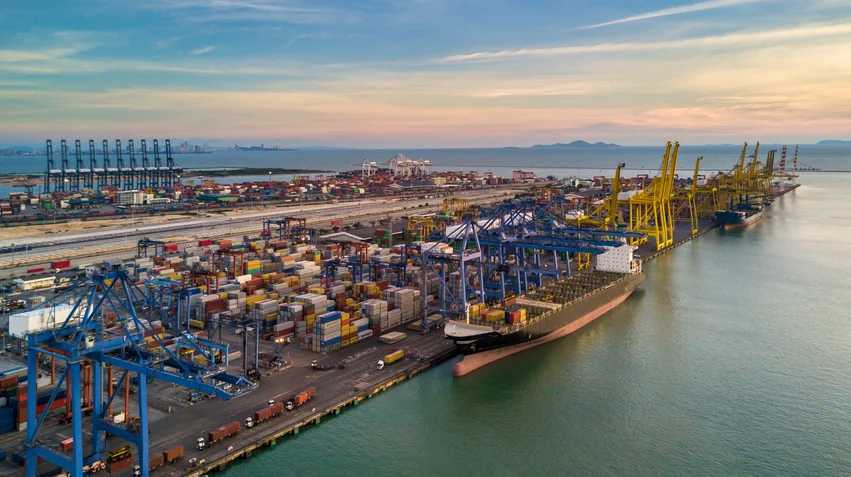
Euroports’ container terminal is located at the Port of Rauma in Finland. At the time of publication, Rauma was described as Finland’s second-largest paper export port, its third-largest container port, and the largest container port on the country’s west coast.
Euroports’ activities at the location focus on forest industry products, including paper, pulp and sawn timber. The company also handles fertilizers, minerals and project cargo.
This cargo mix shows that operations at Rauma extend beyond a single product category. However, the Portchain Connect announcement specifically concerns the container terminal. It should not be interpreted as confirmation that all other cargo-handling activities have also been integrated into the platform.
The published information also cites cargo handling of approximately four million tonnes per year and an access channel with a depth of 12 metres. Regular connections serve destinations across Europe, North Africa and North America.
These links place Rauma’s operations within an international shipping network. Exchanging schedules with carriers is therefore directly relevant to organizing vessel arrivals and departures.
However, the description of the destination network does not specify the frequency of each service, individual transit times or all the shipping lines involved. Joining Portchain Connect was not presented as a change to the geographical coverage of existing services.
A Logistics Perspective: From Reliable Schedules to Supply Chain Coordination
The operating model described provides a basis for considering the potential implications of berth coordination for related logistics activities. The following discussion is an analysis of possible operational effects, rather than a report of confirmed results at Rauma.
First, a more predictable berth plan could help the parties involved prepare their activities more effectively. For the terminal operator, the expected benefit lies in being able to consider vessel schedules alongside its own service plan. For the shipping line, terminal feedback provides additional information for discussing and adjusting voyage arrangements.
Further along the logistics chain, freight forwarders, connecting transport operators and cargo owners could also benefit from reliable schedule information. For example, such information could support decisions about cargo delivery, collection or coordination with warehouses.
However, the ability to benefit depends on whether the information reaches the relevant parties and is incorporated into their workflows. A connection between a terminal and a shipping line does not, by itself, establish that all cargo owners, transport providers or warehouses are integrated into the same system.
The Rauma announcement focuses on the connection between the container terminal and ocean carriers. It does not establish that Portchain Connect, in this implementation, directly manages truck appointments, customs documentation or all hinterland freight-forwarding activities.
This distinction helps define the project’s role accurately. The platform is intended to improve an important coordination process within port operations, while its wider effects on the logistics chain will depend on how information is shared and used by the parties involved.
Data Quality Must Support Operational Decisions
Another consideration arising from the Rauma case is that digitalization involves more than transferring information onto a platform. Operational value also depends on how effectively that information supports practical decisions.
Euroports’ stated objectives point to at least two requirements: information must arrive early enough to support preparation and be reliable enough to inform planning. Rapid updates may offer limited value if they do not accurately reflect operational conditions. Conversely, accurate information received too late can leave little time to respond.
The feedback process is also important. A schedule-change notification becomes a basis for coordination only when the parties assess its implications and discuss an appropriate response.
This is why the terminal’s ability to make alternative proposals is a significant element of the Portchain Connect model. The platform supports not only the receipt of information but also the process of reaching agreement between parties with different operational needs.
These observations are analytical conclusions drawn from the coordination process described. They are not an assessment of the current quality of Euroports Rauma’s data, nor do they establish that the terminal is experiencing specific problems with scheduling or information exchange.
Measuring Results After Implementation
A complete assessment of the connection’s effectiveness will require operational data collected after the platform has been in use for a sufficient period.
From an analytical perspective, potential indicators could include response times following schedule changes, the ability to agree on berthing windows, differences between planned and actual operations, and berth utilization. These are possible areas for evaluation, not a set of project indicators publicly announced by Euroports or Portchain.
Fuel-saving claims would also require an appropriate measurement basis. A statement that a platform can support Just-in-Time operations is not enough to determine how much fuel has been saved on individual voyages or across terminal-related vessel activity.
Similarly, better coordination does not automatically imply higher cargo throughput. Improving data exchange and expanding handling capacity are separate issues that need to be assessed individually, even though they may support one another in operational planning.
For Rauma, the clearest stated objectives are to improve planning quality, respond more effectively to schedule changes and continue providing high-quality services. These objectives offer an appropriate basis for assessing the initial implementation.
Joining Portchain Connect shows that Euroports is focusing on coordination between its container terminal and shipping partners, rather than treating digitalization solely as the addition of an information-display tool. Earlier data sharing, timely responses and effective use of information in operational decisions could support the performance improvements the company is seeking.
Source:
https://www.porttechnology.org
Amasis Shipping Co., Ltd.
📞 +84 906 660 888
📩 info@amss.com.vn
🏘️27-29 Ngo Thi Bi Street, Tan Hung Ward, Hochiminh City